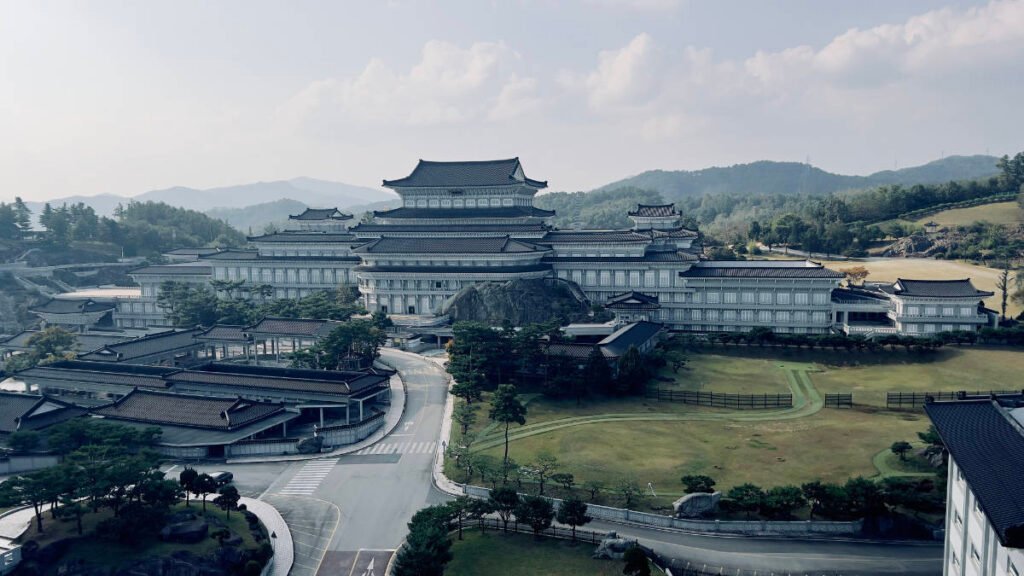
The Korea Hapkido Federation 31st Masters Seminar 2025
This year’s seminar was held at Jungwon University.

I have been waiting with excitement for this trip.

After finishing my Saturday class at ActiveSG Bukit Canberra on 19 October, I rushed to Changi Airport and boarded the red-eye flight to Seoul at 1 a.m. I love overnight flights — you fall asleep in Singapore and wake up in Incheon. It really feels like teleportation.

Training began that very evening at the Eulji Kwan main dojang in Gangnam, just a short walk from the iconic COEX Mall.

Now that I’m officially teaching every Wednesday and Saturday in Singapore, my trips to Korea have to be shorter and more intense. This time, I made the most of every moment with Grandmaster Kim Beom Chul:

  • 19–23 October: daily private training
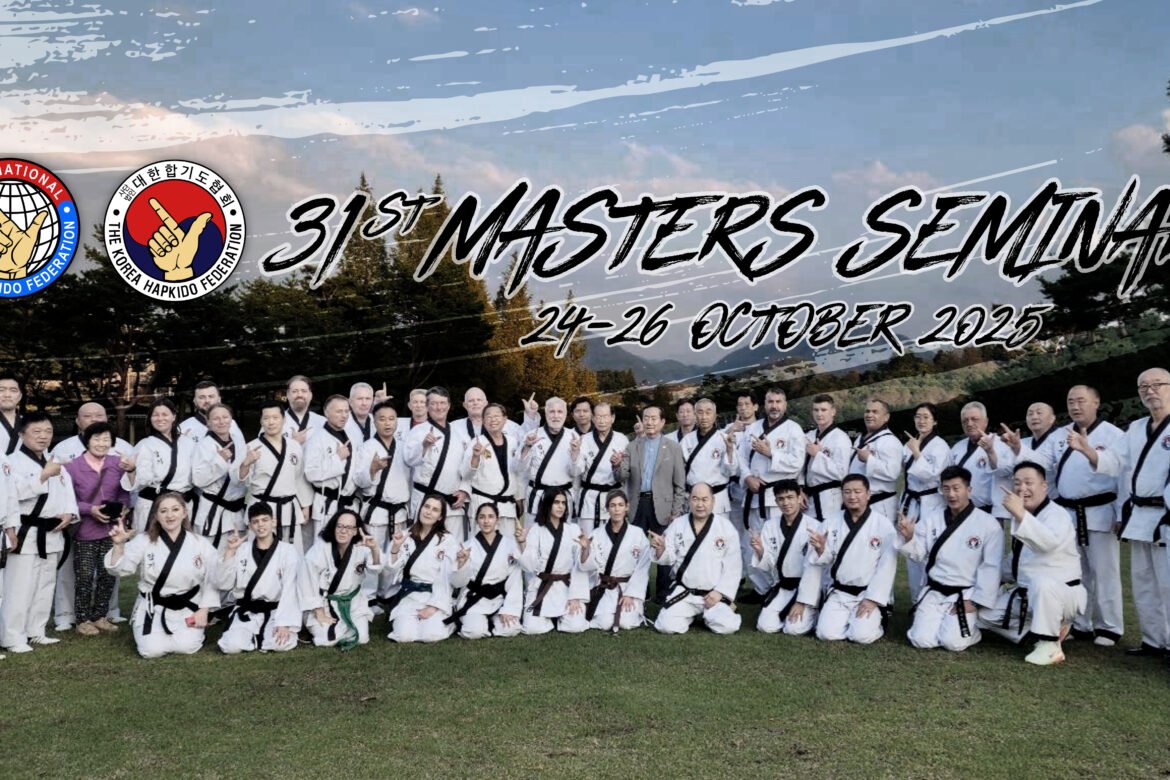
  • 24–26 October: the Masters Seminar
  • 27–31 October: more intensive sessions with GM Kim

Every visit with Grandmaster Kim is a privilege. His warmth, generosity, and depth of knowledge never cease to amaze me. I’m truly grateful for his guidance.

The KHF Masters Seminar is the annual highlight where students and masters of Hapkido from around the world gather to train, exchange ideas, and strengthen bonds. This year, we had representatives from Australia, Russia, Uzbekistan, Israel, Hong Kong, South Africa, the Democratic Republic of Congo — and me, representing Singapore.
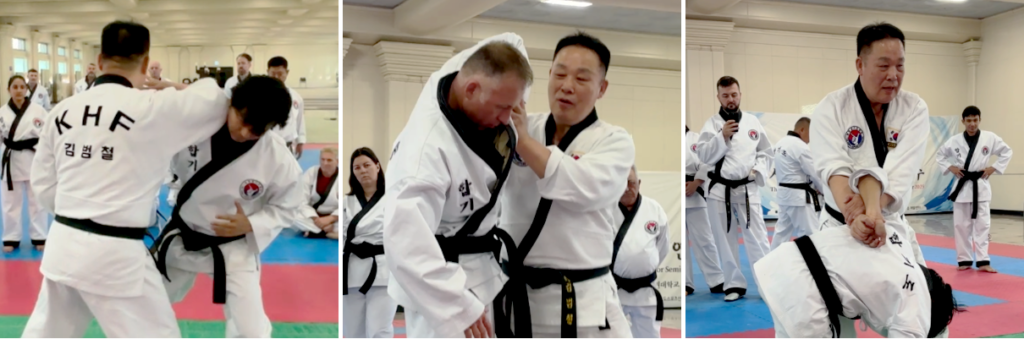
Grandmaster Kim Beom Chul, leading the seminar training.
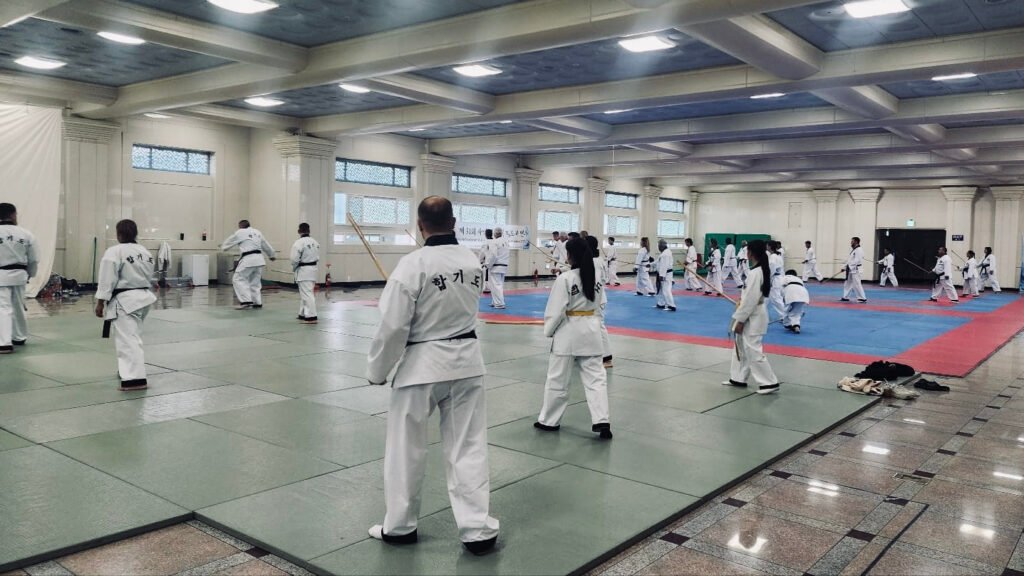
Hapkido weapon – cane techniques.

On the morning of 24 October, we assembled at KHF Headquarters in Seoul before boarding chartered buses for the two-hour journey to Jungwon University in Goesan, where the seminar is traditionally held. Upon arrival, we received our official dobok, a seminar jacket, and a commemorative book. Then it was straight into the rhythm that defined the next three days: eat, train, eat, train, sleep (a little), repeat.

The food was excellent, and the training — led by some of Korea’s most respected masters — was nothing short of world-class. The only downside? The 6 a.m. morning exercises. Let’s just say my body wasn’t always happy about that part.
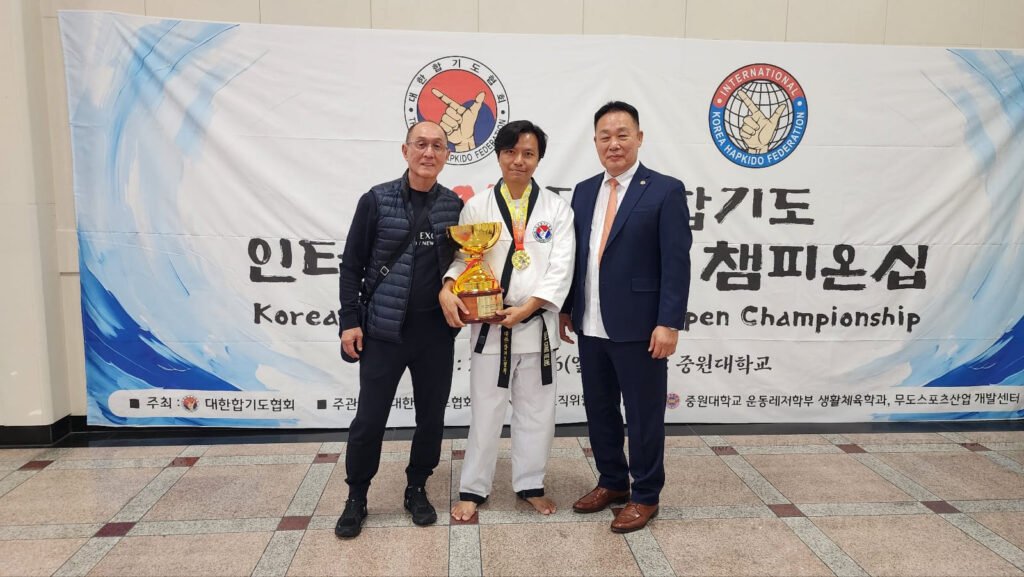
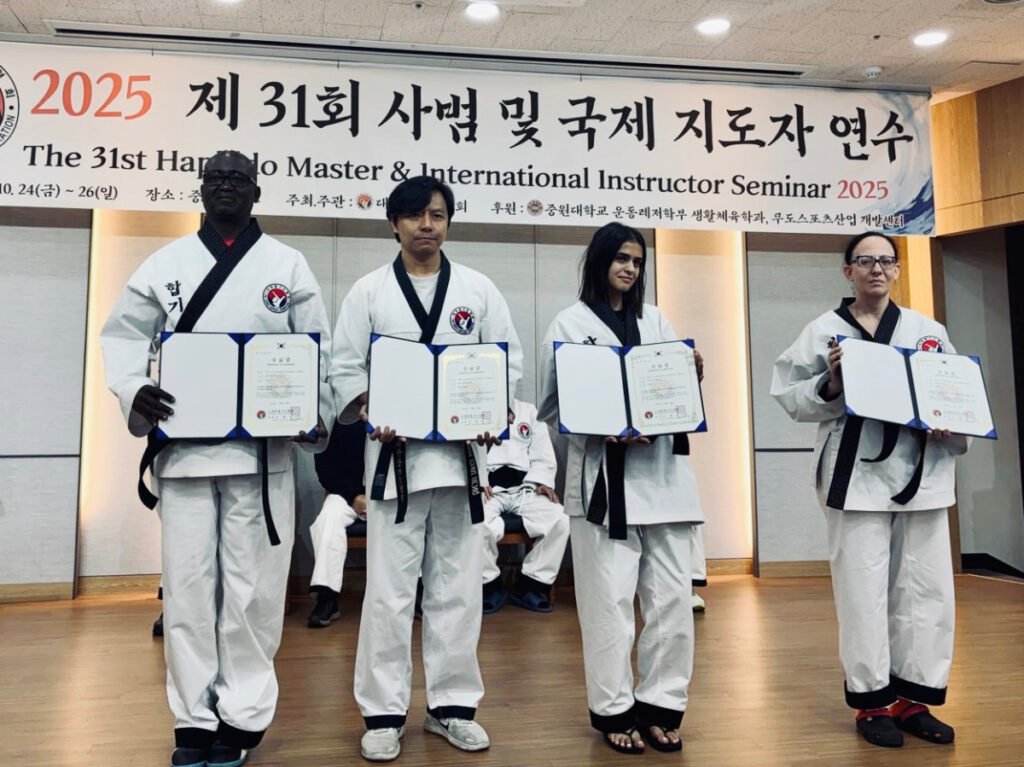
The seminar concluded with the Korea Hapkido International Open Championship, where each country fielded a team to demonstrate self-defence techniques. We competed with respect, learned from one another, and left as better martial artists — and better friends.

Though we speak different languages and come from vastly different cultures, we are united by Hapkido. That shared spirit is what makes these gatherings so special.
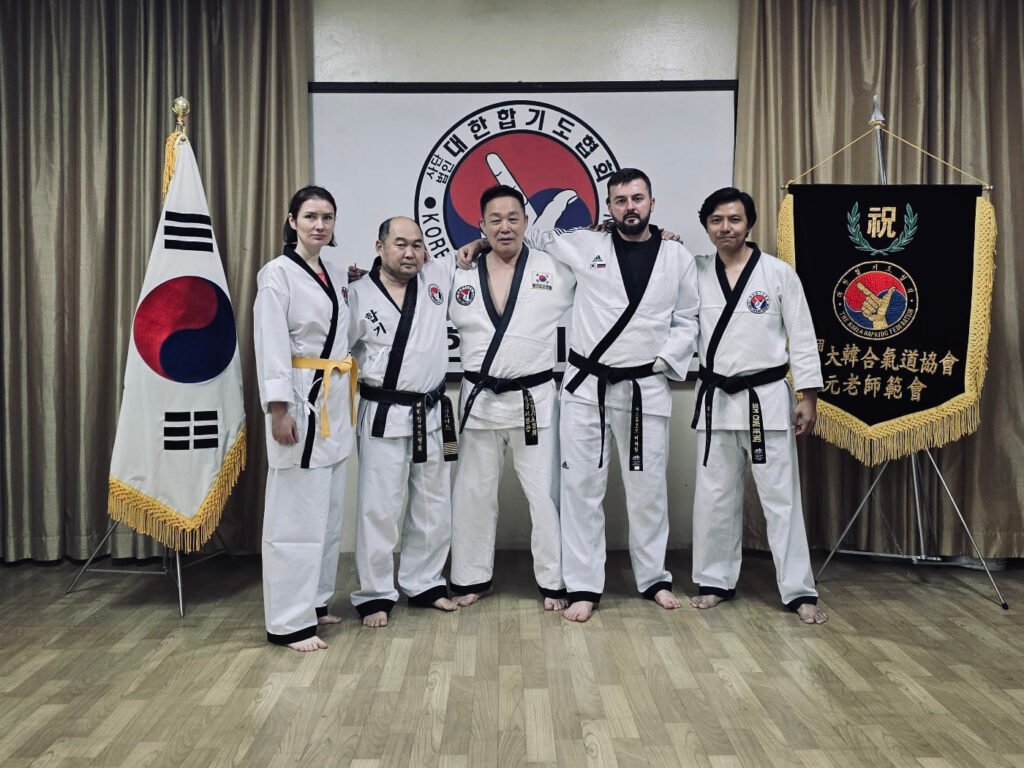
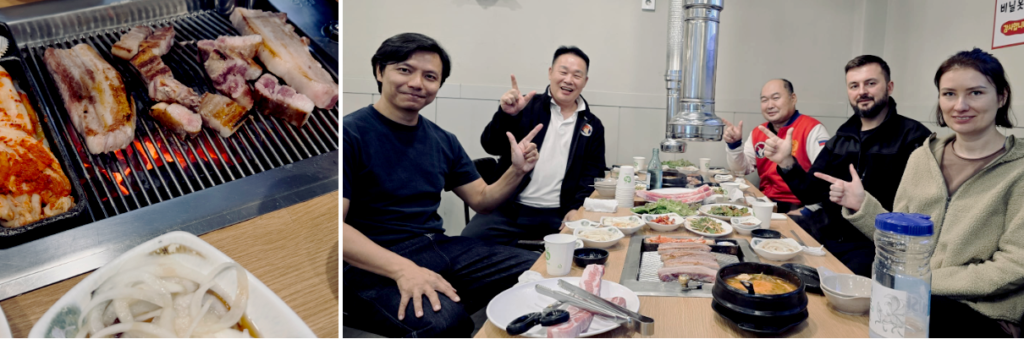
Training continued after the seminar with masters from Russia.
Intensive stomach training is part of our routine.

This trip reignited my passion and reminded me why I do this: to keep learning at the source, so I can bring authentic, high-level Hapkido back to my students in Singapore.

Until the next seminar — 감사합니다, Korea!
Hapki!
18 Views0
Discover Hapkido

What is Hapkido?

In Singapore, when one thinks of Korean martial arts, Taekwondo usually comes to mind. However, in South Korea, there is another martial art that is equally popular—Hapkido, the Korean martial art of self-defence. Hapkido encompasses a diverse array of techniques, including joint locks, grappling, kicks, strikes, pressure point techniques, and proficiency with various weapons such as the short stick, rope, cane, and more—all strategically employed to neutralize opponents.

Discovery Channel’s Fight Quest, a documentary that follows two martial artists on their journey to Seoul to learn about Hapkido.

Hapkido Documentary

Discovery Channel’s Fight Quest features an episode dedicated to Hapkido. In this episode, the hosts travel to Seoul, South Korea, to train under seasoned Hapkido Grandmasters. They immerse themselves in the rigorous physical and mental discipline required to master this versatile self-defense system. Throughout the episode, the hosts experience intense drills, sparring sessions, and demonstrations of Hapkido’s techniques, giving viewers an in-depth look at the art’s philosophy of blending offensive and defensive strategies.

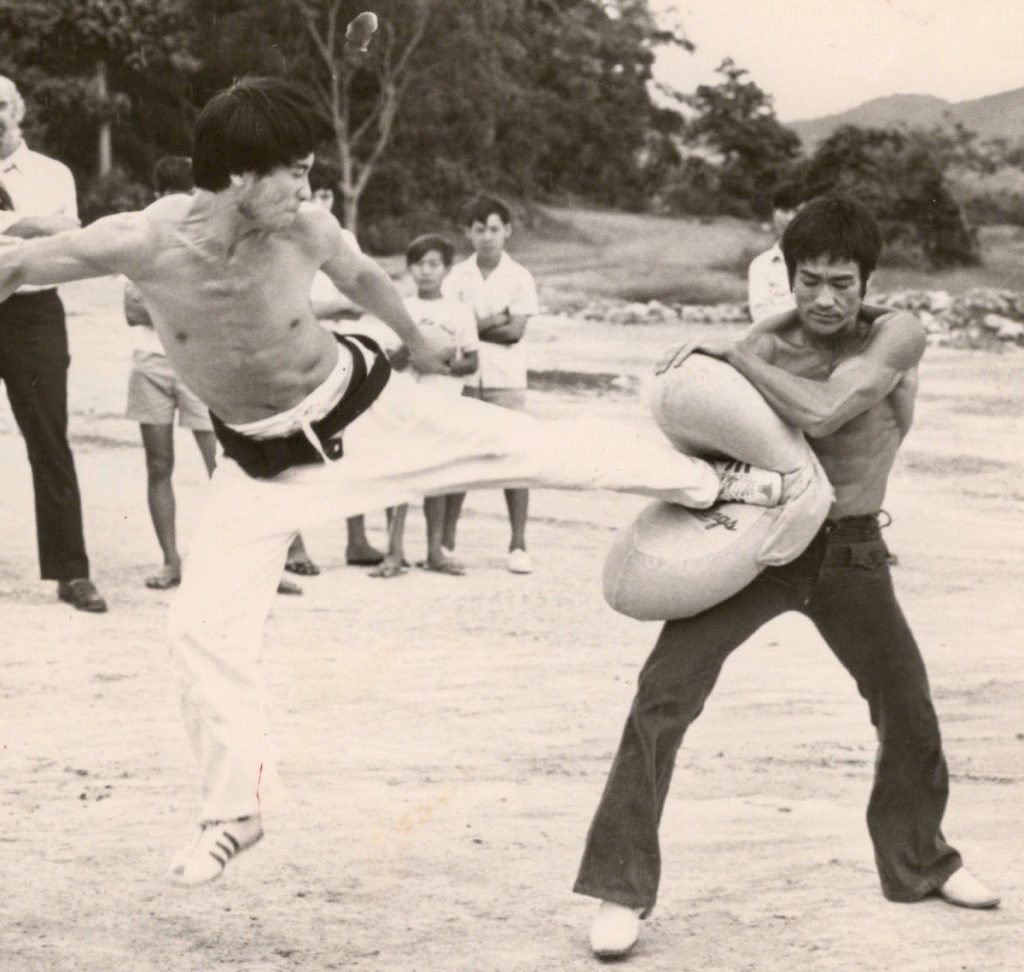
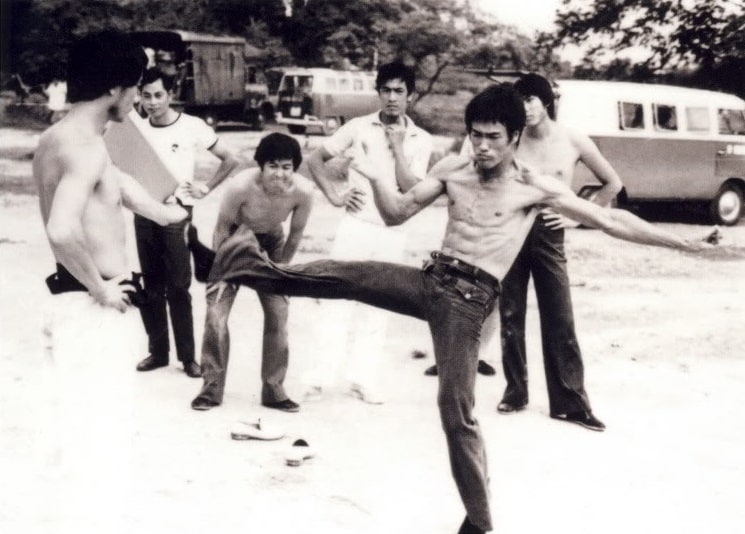
Hapkido Grandmaster Hwang In-Shik training with Bruce Lee off the movie set
Bruce Lee executing “outward circle” kick with Grandmaster Hwang In-Shik holding the kicking pad

Hapkido in Movies

Hapkido was heavily involved in the 1970s when the Hong Kong film industry bloomed. Bruce Lee who was influenced by Hapkido through Hapkido Grandmaster Hwang In-Shik introduced various kicks to his movies. Later in the 1980s, martial arts movie actors like Jackie Chan and Sammo Hung also learned and incorporated Hapkido into their films. The famous fight scene between Jackie Chan and GM Hwang in the movie The Young Master and Dragon Lord was Hapkido in action.

Grandmaster Hwang In-Shik showcasing the myriad Hapkido (not Chinese Kungfu) techniques in The Young Master

Hapkido in the Forces

The effectiveness of Hapkido has made it a trusted choice for professionals in high-stakes environments. It’s used by Korean police forces, military units, and presidential bodyguards. Here we see Grandmaster Kim introducing Hapkido to the American military based in Korea.

Korea based American military Hapkido school with Grandmaster Kim Beom Chul

Hapkido doesn’t rely on brute strength. Instead, it utilises the power of your opponent against them, harnessing the mechanics of the human body through the use of small circles, triangles, and precise angles. You’ll learn hand strikes, kicks, and myriads of locking techniques that can quickly and effectively subdue an opponent. This makes it especially suitable for anyone looking for a practical means of self-defense. Hapkido teaches you how to protect yourself confidently and effectively, regardless of your size or strength.

This video provides an overview of Hapkido with strikes, locks, throws and weapons.

1,317 Views0